empty quarter

This article concerns the desert area Rub' al Khali of the Arabian Peninsula; for parts of western North America, see Empty Quarter (North America). Location of the empty quarter in Arabia Sand dunes in the Empty QuarterThe Rub' al Khali (Arabic: الربع الخالي), which translates as Empty Quarter in English, is one of the largest sand deserts in the world, encompassing the southern third of the Arabian Peninsula, including southern Saudi Arabia, and areas of Oman, the United Arab Emirates and Yemen. The desert covers some 650,000 square kilometers (250,000 square miles) (the area between long. 44°30'-56°30'E., and lat. 16'30'-23°00'N), more than the combined land areas of the Netherlands, Belgium and France. Largely unexplored (until recently, see below), and virtually uninhabited, the desert is one thousand kilometers (600 miles) long, and 500 km (300 mi) wide. Even the Bedouins only skirt the edges of the desert. Nonetheless, tour companies do exist that offer GPS-equipped excursions into the desert. The first documented journeys made by Westerners to the Empty Quarter were those made by Bertram Thomas in 1931 and St. John Philby in 1932. Between 1946 and 1950 Wilfred Thesiger crossed the area several times and mapped large parts of the Empty Quarter and the mountains of Oman. With summer temperatures up to nearly 55 degrees Celsius (131 F) at noon, and dunes taller than the Eiffel Tower - over 330 meters (1000 ft) - the desert may be the most forbidding environment on Earth. However, as nearly everywhere else, life flourishes. Arachnids, rodents and plant life can all be found throughout the Empty Quarter. As an ecoregion, it falls within the Arabian Desert and East Sahero-Arabian xeric shrublands. Desertification has increased through the millennia. Before desertification made the caravan trails leading across the Rub' al Khali so difficult, the caravans of the frankincense trade crossed now virtually impassable stretches of wasteland, until about 300 AD. For example, Iram of the Pillars, a lost city which depended on such trade. More recently, tribal populations were also present in certain parts of the Empty Quarter, with the largest in the Najran region. A few road links were connected with these tribal settlements to the water resource and oil production centers. Geologically, the Empty Quarter is one of the most oil-rich places in the world. Vast oil reserves have been discovered underneath the sand stacks. Sheyba, in the middle of the desert, is a major Arab light crude oil-producing site in Saudi Arabia. Also, Ghawwar Field, the largest oil field in the world, extends southward into the northernmost parts of the Empty Quarter wikipedia National Geographic National Geographic video flash |
|
| Thu Nov 23, 2006 8:26 pm |
|
 |
|
|
New JT Member
Joined: Thu Nov 23, 2006 2:45 pm Posts: 3 |
 RE: empty quarter RE: empty quarter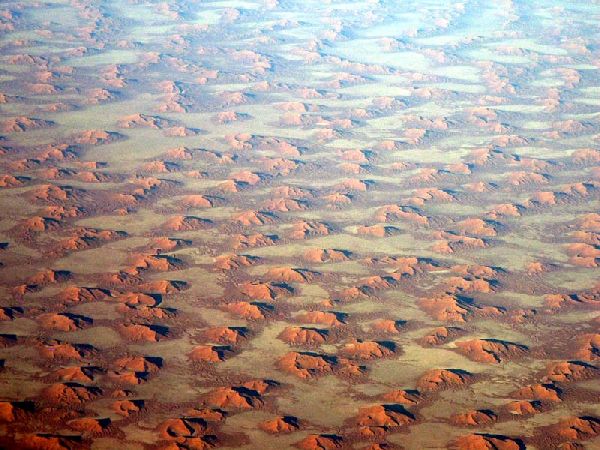
|
PEACENOTWAR MAKEFRIENDNOTENEMY FEAR ALLAH NOT MAN.ISLAM MEANS PEACE.ISLAM FOR ALL. MUSLIMS ARE NOT TERRORIST AND TERRORIST ARE NOT MUSLIM.PLEASE BE INFORMED THAT ALL PICTURES AND TEXT IN THIS BLOG ARE TAKEN FROM THE WEB UNDER FAIR USE TREATY AND FOR MY PERSONAL COLLECTION.IF THEIR OWNERS DO NOT LIKE THEIR PICTURES OR ARTICLES APPEAR IN THIS BLOG,PLEASE CONTACT ME TO DELETE..THANKS.
Tuesday, September 25, 2012

Subscribe to:
Post Comments (Atom)
No comments:
Post a Comment